
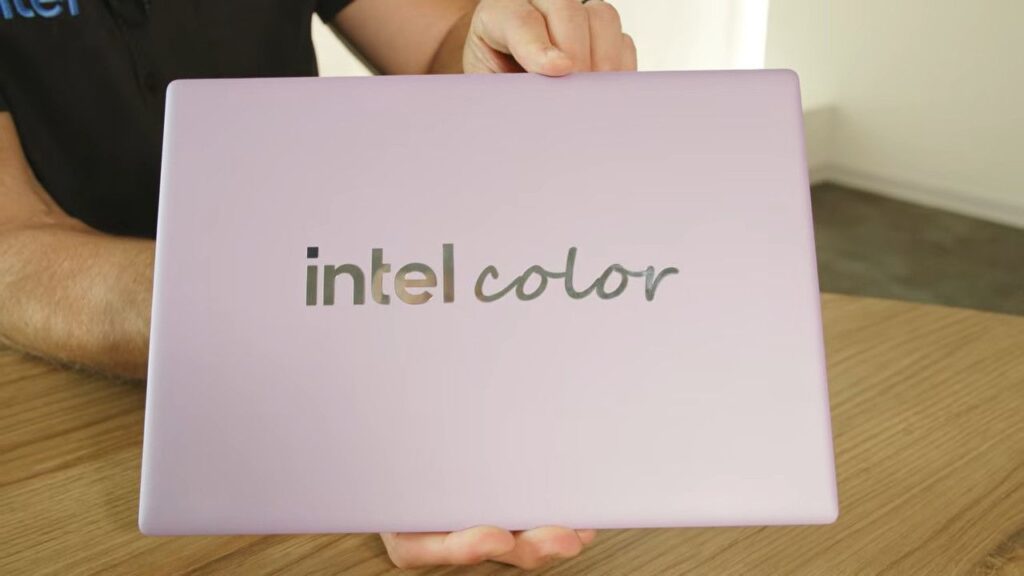
- Intel has detailed how it’s designed Wildcat Lake laptops to be affordable
- This isn’t only about the Wildcat Lake processor itself, but the supporting components
- These have been implemented in a cost-friendly way, leveraging phone chips and design elements, helping to further reduce the cost of production
Intel is talking up how laptops based on its new Wildcat Lake mobile chips will be a major step forward in terms of affordable notebooks, underlining the lengths it’s gone to in order to keep costs down.
VideoCardz noticed a new video from Intel on YouTube (see below) in which the company claims it “reimagines mainstream laptops with Core Series 3” processors (Wildcat Lake — not to be confused with Core Ultra Series 3, which is Panther Lake).
Wildcat Lake is mobile silicon for more budget-oriented laptops, and the chip itself is built with that affordability, and power-efficiency, firmly in mind. But what Intel details here is the way it has implemented the rest of its reference platform – that laptop makers can pick up and run with to produce their own models — in order to reinforce those cost savings.
Latest Videos FromTechRadar
It’s called the ‘Firefly program’ and to cut a long story short, Intel has brought in supporting elements from the world of phones as an alternative to what would typically be used in PCs.
That means using phone-class system memory (LPDDR5X), along with the likes of audio chips from the phone world, and much more besides.
You may like Intel Reimagines Mainstream Laptops with Core Series 3 and Firefly | Talking Tech | Intel Technology – YouTube  Watch On
Intel explains: “We see two Firefly prototypes, including a 12.9mm metal chassis with redesigned thermals, standardized internal cabling for a separate I/O board, and a new core logic module that combine Intel SoCs with phone-class memory to lower costs and accelerate time-to-market.”
With cost reductions in all the supporting chips and hardware, and the likes of internal cabling, and indeed the motherboard itself, being brought in on top of the cheaper CPU, Intel is further reducing the bill of materials (overall cost) for laptop makers.
{ window.reliablePageLoad.then(() => { var componentContainer = document.querySelector(“#slice-container-newsletterForm-articleInbodyContent-bdwWVFmUvyGVDbCJ3iSvcU”); if (componentContainer) { var data = {“layout”:”inbodyContent”,”header”:”Get daily insight, inspiration and deals in your inbox”,”tagline”:”Sign up for breaking news, reviews, opinion, top tech deals, and more.”,”formFooterText”:”By submitting your information you agree to the Terms & Conditions and Privacy Policy and are aged 16 or over.”,”usDisclaimerFooterText”:”By signing up, you agree to our Terms of services and acknowledge that you have read our Privacy Notice. You also agree to receive marketing emails from us that may include promotions from our trusted partners and sponsors, which you can unsubscribe from at any time.”,”successMessage”:{“body”:”Thank you for signing up. You will receive a confirmation email shortly.”},”failureMessage”:”There was a problem. Please refresh the page and try again.”,”method”:”POST”,”inputs”:[{“type”:”hidden”,”name”:”NAME”},{“type”:”email”,”name”:”MAIL”,”placeholder”:”Your Email Address”,”required”:true},{“type”:”hidden”,”name”:”NEWSLETTER_CODE”,”value”:”XTR-D”},{“type”:”hidden”,”name”:”LANG”,”value”:”EN”},{“type”:”hidden”,”name”:”SOURCE”,”value”:”60″},{“type”:”hidden”,”name”:”COUNTRY”},{“type”:”checkbox”,”name”:”CONTACT_OTHER_BRANDS”,”label”:{“text”:”Contact me with news and offers from other Future brands”}},{“type”:”checkbox”,”name”:”CONTACT_PARTNERS”,”label”:{“text”:”Receive email from us on behalf of our trusted partners or sponsors”}},{“type”:”submit”,”value”:”Sign me up”,”required”:true}],”endpoint”:”https://www.techradar.com/.newsletter-subscribe/v2/submission/submit”,”analytics”:[{“analyticsType”:”widgetViewed”}],”ariaLabels”:{}}; var triggerHydrate = function() { window.sliceComponents.newsletterForm.hydrate(data, componentContainer); } if (window.lazyObserveElement) { window.lazyObserveElement(componentContainer, triggerHydrate); } else { triggerHydrate(); } } }).catch(err => console.error(‘%c FTE ‘,’background: #9306F9; color: #ffffff’,’Hydration Script has failed for newsletterForm-articleInbodyContent-bdwWVFmUvyGVDbCJ3iSvcU Slice’, err)); }).catch(err => console.error(‘%c FTE ‘,’background: #9306F9; color: #ffffff’,’Externals script failed to load’, err)); ]]>
Sign up for breaking news, reviews, opinion, top tech deals, and more.
Analysis: Intel definitely isn’t phoning it in…
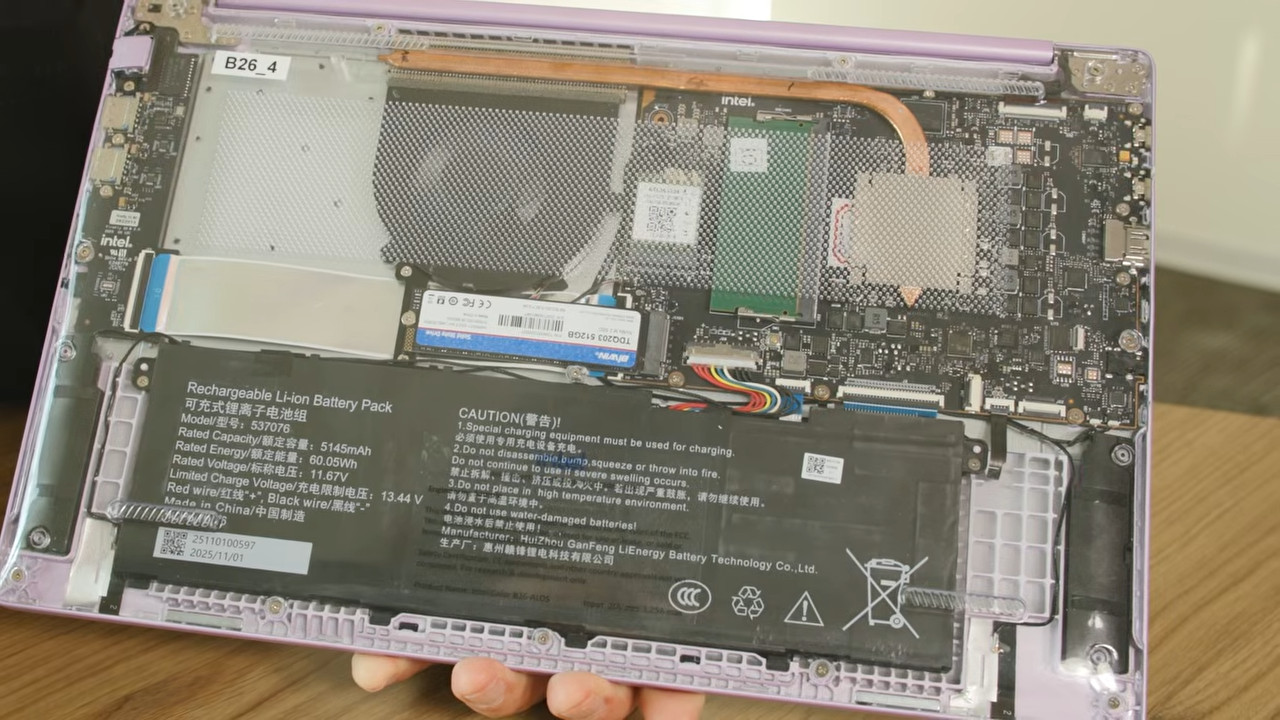
(Image credit: Intel / YouTube)
The core idea is to leverage the smartphone component supply chain to use in laptops, and the design work therein demanded quite some effort from Intel engineers. The end result is a more affordable laptop, a key consideration for Windows 11 notebooks when you consider just how well Apple is now doing in this budget space with the MacBook Neo.
There’s another important boast from Intel here, too, and that’s the speed with which Firefly laptops can be brought to market. Apparently, this can be done in just a few months using Intel’s reference platform, and so the suggestion is that Wildcat Lake laptops won’t take long to arrive in force to combat the MacBook Neo – which is already a very popular device.
There’s a reason for that popularity, of course, because laptop price hikes have now set in, so an attractively priced MacBook looks doubly tempting. We need more Windows 11 notebook rivals to offer a wider choice in that respect, and from what I’ve seen of Wildcat Lake thus far, I think it’s a great move from Intel — and it’ll be interesting to see exactly what kind of price tags are attached to these portables.
What to read next
The likes of the new Dell XPS 13, which uses Wildcat Lake for the entry-level model, look set to offer a premium-like laptop experience for a palatable outlay ($699 in the US, or $599 for students) in a Neo style. However, I’m hoping there will be a good number of notebooks sat below this kind of pricing.
This would be all good news given the RAM crisis, of course, and could provide some great opportunities to get an affordable new laptop later this year (and I believe buying in 2026 could be a smart move, if you need a new portable).
There is, of course, another competitor that Intel will need to carefully consider – namely Nvidia with its new RTX Spark chip. Now, while that silicon is about as far from a budget effort as you can get, and not a direct rival, it’s having a knock-on effect to advance all Arm-based Windows 11 laptops, as I recently discussed. Interesting times indeed, and Qualcomm’s Snapdragon C chips are also incoming as a tempting budget option for this year.

Follow TechRadar on Google News andadd us as a preferred source to get our expert news, reviews, and opinion in your feeds.

The best laptops for all budgets
Our top picks, based on real-world testing and comparisons
Source