
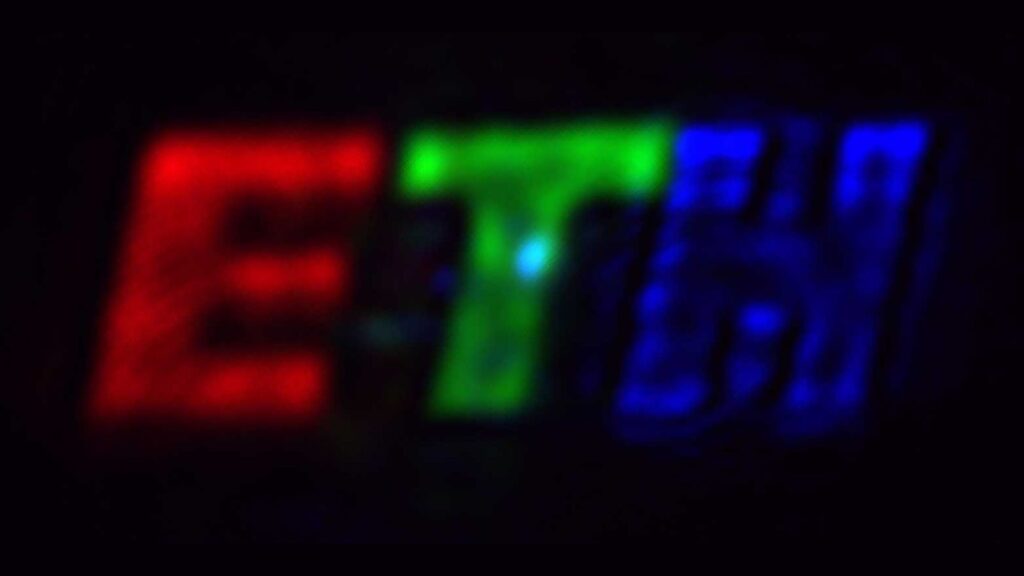
- A new type of pixel is capable of both controlling and analyzing light
- It’s based on the Fourier mathematical tool
- We’ll have to wait some time to get this in our gadget screens
Screens that double up as cameras could be packed into future gadgets, as researchers from ETH Zurich in Switzerland have developed a new type of pixel that can analyze and create images simultaneously.
These bidirectional pixels are able to both control and read the intensity, oscillation, phase, and polarization of light, and they’re based on the fundamental physics of interfering light waves. The pixels are carefully sculpted at the nanometer level to direct light as it hits the surface and gets scattered.
At the same time as the light is traveling across the pixel and being scattered back out to the viewer, creating the required images and patterns, an analysis of the incoming light can be carried out as well — all on the same pixel.
Latest Videos From
The approach “establishes a scalable, universal architecture for vectorially programmable pixels with applications in adaptive optics, holographic displays, optical communication, and quantum information processing,” write the researchers in their paper on the new pixel, which is published in Nature.
Scaling up
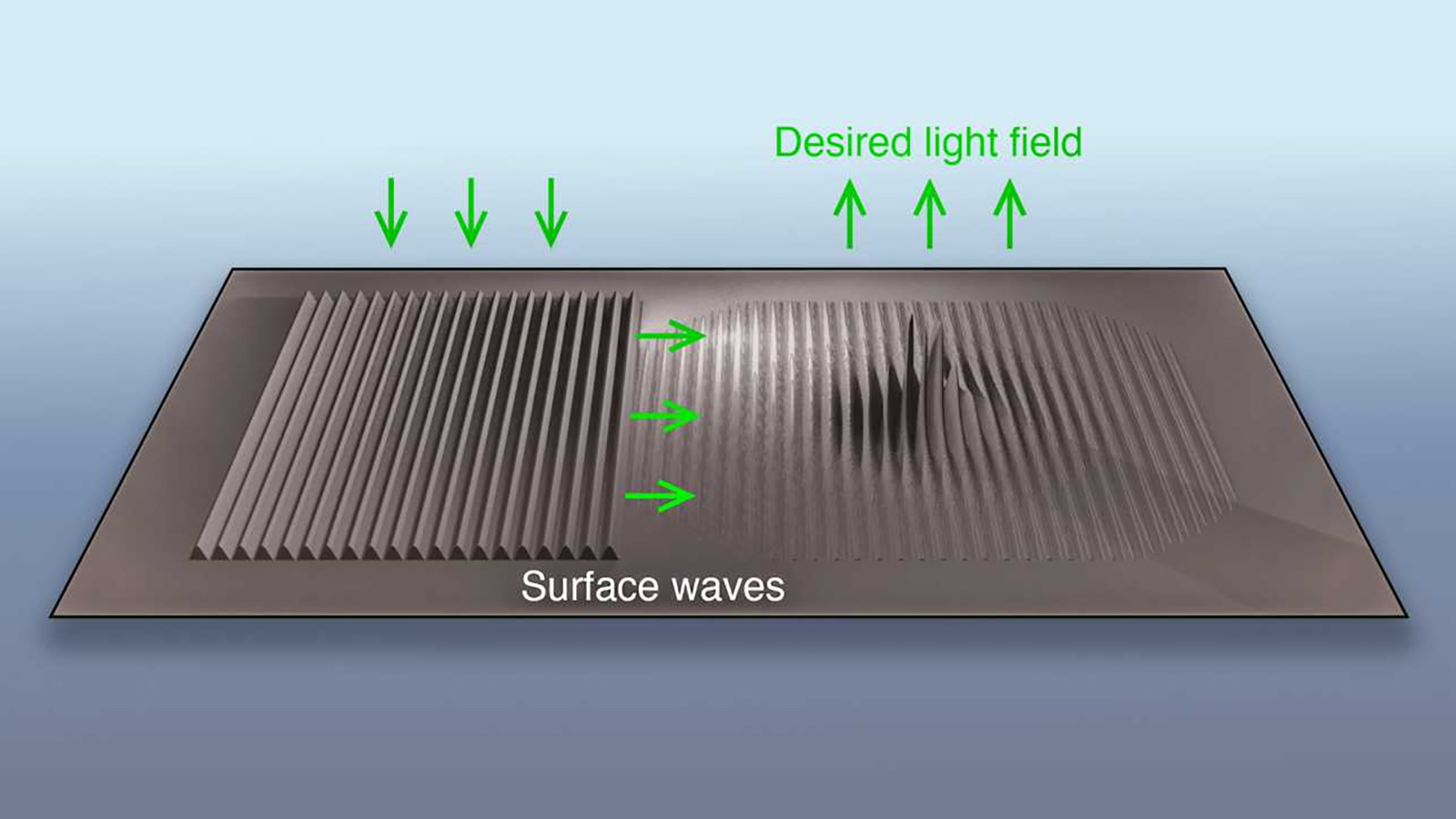
Tiny surface ridges are used to control the light (Image credit: Glauser YM, Vonk SJW, et al., Nature 2026)
The pixel is termed a Fourier pixel after the mathematical tool that the component is based on. It’s essentially a way of breaking down a complex output signal into a series of waves that can be controlled more easily — like the light fields here.
You may like
It’s still early days for the research, and there will be challenges scaling this up. Right now the pixels need laser light as a source, and are fixed in what they can display — this isn’t like a TV screen that can show anything, although there are several potential routes through which the tech could be developed in that direction.
The reactions on Reddit are perhaps a sign of our current technology times, as people have instantly latched on to the surveillance potential. “Screens that are also cameras, what could go wrong?” reads one poster, while another says that “I ain’t ever buying a device with that technology”. Fans of dystopian sci-fi have also been inspired to quote sections from 1984 about ‘telescreens’, which were two-way televisions and security cameras used to monitor citizens.
{ window.reliablePageLoad.then(() => { var componentContainer = document.querySelector(“#slice-container-newsletterForm-articleInbodyContent-gH5kqUnXK8iKeR6CuVujDL”); if (componentContainer) { var data = {“layout”:”inbodyContent”,”header”:”Get daily insight, inspiration and deals in your inbox”,”tagline”:”Sign up for breaking news, reviews, opinion, top tech deals, and more.”,”formFooterText”:”By submitting your information you agree to the Terms & Conditions and Privacy Policy and are aged 16 or over.”,”usDisclaimerFooterText”:”By signing up, you agree to our Terms of services and acknowledge that you have read our Privacy Notice. You also agree to receive marketing emails from us that may include promotions from our trusted partners and sponsors, which you can unsubscribe from at any time.”,”successMessage”:{“body”:”Thank you for signing up. You will receive a confirmation email shortly.”},”failureMessage”:”There was a problem. Please refresh the page and try again.”,”method”:”POST”,”inputs”:[{“type”:”hidden”,”name”:”NAME”},{“type”:”email”,”name”:”MAIL”,”placeholder”:”Your Email Address”,”required”:true},{“type”:”hidden”,”name”:”NEWSLETTER_CODE”,”value”:”XTR-D”},{“type”:”hidden”,”name”:”LANG”,”value”:”EN”},{“type”:”hidden”,”name”:”SOURCE”,”value”:”60″},{“type”:”hidden”,”name”:”COUNTRY”},{“type”:”checkbox”,”name”:”CONTACT_OTHER_BRANDS”,”label”:{“text”:”Contact me with news and offers from other Future brands”}},{“type”:”checkbox”,”name”:”CONTACT_PARTNERS”,”label”:{“text”:”Receive email from us on behalf of our trusted partners or sponsors”}},{“type”:”submit”,”value”:”Sign me up”,”required”:true}],”endpoint”:”https://www.techradar.com/.newsletter-subscribe/v2/submission/submit”,”analytics”:[{“analyticsType”:”widgetViewed”}],”ariaLabels”:{}}; var triggerHydrate = function() { window.sliceComponents.newsletterForm.hydrate(data, componentContainer); } if (window.lazyObserveElement) { window.lazyObserveElement(componentContainer, triggerHydrate); } else { triggerHydrate(); } } }).catch(err => console.error(‘%c FTE ‘,’background: #9306F9; color: #ffffff’,’Hydration Script has failed for newsletterForm-articleInbodyContent-gH5kqUnXK8iKeR6CuVujDL Slice’, err)); }).catch(err => console.error(‘%c FTE ‘,’background: #9306F9; color: #ffffff’,’Externals script failed to load’, err)); ]]>
Sign up for breaking news, reviews, opinion, top tech deals, and more.
Interesting related piece of tech history of the day: the term ‘pixel’, originally ‘picture element’, was used in print for the first time in 1927, so next year marks a century since the words (now word) were originally introduced.

Follow TechRadar on Google News andadd us as a preferred source to get our expert news, reviews, and opinion in your feeds.
The best laptops for all budgets
Our top picks, based on real-world testing and comparisons
Source