
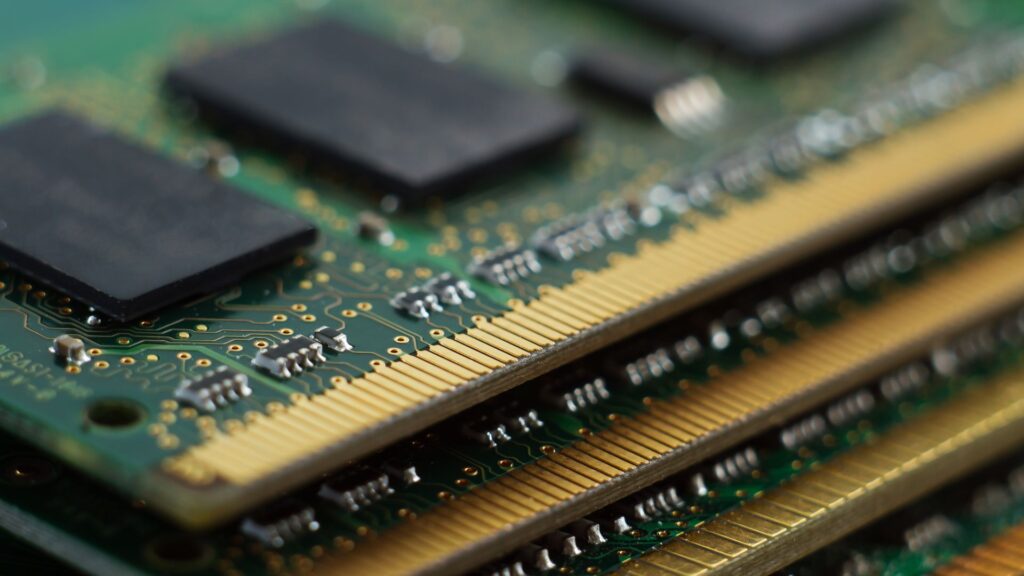
- The spot price of a 16GB DDR4 chip has dropped by 5%
- It’s the first time this price has fallen in over a year
- While that’s obviously a good thing, there’s a lot of storm remaining to weather with the RAM crisis yet
We’ve witnessed another hint that the RAM crisis is deescalating — at least a touch — along with an interesting move by the Korean government to try to protect consumers from the worst excesses of PC component price hikes.
Tom’s Hardware flagged up a DigiTimes report that claims the spot price of a 16GB DDR4 chip has fallen by around 5% over the course of the last month.
That may not sound like a whole lot, but it’s notable because it’s the first monthly drop that’s happened with DDR4 pricing in just over a year. (Although recently, some of the rises have been tiny, with pricing effectively staying flat — but we haven’t seen a dip until now).
Latest Videos From
Still, don’t get carried away with optimism here, because this has happened against a backdrop of a 2,200% increase in the cost of a 16GB DDR4 module over the past year.
Tom’s Hardware also noticed another development in Asia, with what could be an important move for Korean consumers — with perhaps some hope that other countries might adopt similar policies.
You may like
Based on a report by The Korea Herald, the government is going to repurpose more of the PCs it took out of service last year, increasing the number of these computers which are reused and donated to various organizations. It’ll also provide more PCs to vulnerable groups, we’re told, and expand the scope of a subsidy scheme that provides money for low-income households buying computers for students.
All of that is designed to take some of the sting out of PCs getting a lot pricier, and there’s something else which is more eye-opening, too. A further report from No Cut News talks about the Korean government’s plans to “monitor the distribution and supply and demand conditions of the PC and laptop markets to prevent unfair practices.”
{ window.reliablePageLoad.then(() => { var componentContainer = document.querySelector(“#slice-container-newsletterForm-articleInbodyContent-Nm3fsUV6HkqaRErmzVhgcf”); if (componentContainer) { var data = {“layout”:”inbodyContent”,”header”:”Get daily insight, inspiration and deals in your inbox”,”tagline”:”Sign up for breaking news, reviews, opinion, top tech deals, and more.”,”formFooterText”:”By submitting your information you agree to the Terms & Conditions and Privacy Policy and are aged 16 or over.”,”usDisclaimerFooterText”:”By signing up, you agree to our Terms of services and acknowledge that you have read our Privacy Notice. You also agree to receive marketing emails from us that may include promotions from our trusted partners and sponsors, which you can unsubscribe from at any time.”,”successMessage”:{“body”:”Thank you for signing up. You will receive a confirmation email shortly.”},”failureMessage”:”There was a problem. Please refresh the page and try again.”,”method”:”POST”,”inputs”:[{“type”:”hidden”,”name”:”NAME”},{“type”:”email”,”name”:”MAIL”,”placeholder”:”Your Email Address”,”required”:true},{“type”:”hidden”,”name”:”NEWSLETTER_CODE”,”value”:”XTR-D”},{“type”:”hidden”,”name”:”LANG”,”value”:”EN”},{“type”:”hidden”,”name”:”SOURCE”,”value”:”60″},{“type”:”hidden”,”name”:”COUNTRY”},{“type”:”checkbox”,”name”:”CONTACT_OTHER_BRANDS”,”label”:{“text”:”Contact me with news and offers from other Future brands”}},{“type”:”checkbox”,”name”:”CONTACT_PARTNERS”,”label”:{“text”:”Receive email from us on behalf of our trusted partners or sponsors”}},{“type”:”submit”,”value”:”Sign me up”,”required”:true}],”endpoint”:”https://www.techradar.com/.newsletter-subscribe/v2/submission/submit”,”analytics”:[{“analyticsType”:”widgetViewed”}],”ariaLabels”:{}}; var triggerHydrate = function() { window.sliceComponents.newsletterForm.hydrate(data, componentContainer); } if (window.lazyObserveElement) { window.lazyObserveElement(componentContainer, triggerHydrate); } else { triggerHydrate(); } } }).catch(err => console.error(‘%c FTE ‘,’background: #9306F9; color: #ffffff’,’Hydration Script has failed for newsletterForm-articleInbodyContent-Nm3fsUV6HkqaRErmzVhgcf Slice’, err)); }).catch(err => console.error(‘%c FTE ‘,’background: #9306F9; color: #ffffff’,’Externals script failed to load’, err)); ]]>
Sign up for breaking news, reviews, opinion, top tech deals, and more.
That seemingly involves a few government bodies – including the Ministry of Trade – keeping a close watch on the PC market, as well as RAM sales, looking into what could be deemed as illegal activity. “Strict measures” are promised if those selling components or PCs are judged to be engaged in any opportunistic profiteering.
This should help to keep prices down somewhat, or that’s the theory anyway, although bear in mind these aren’t official announcements, but just reports in the Korean media at this stage.
Analysis: hopeful signs — but let’s temper any optimism
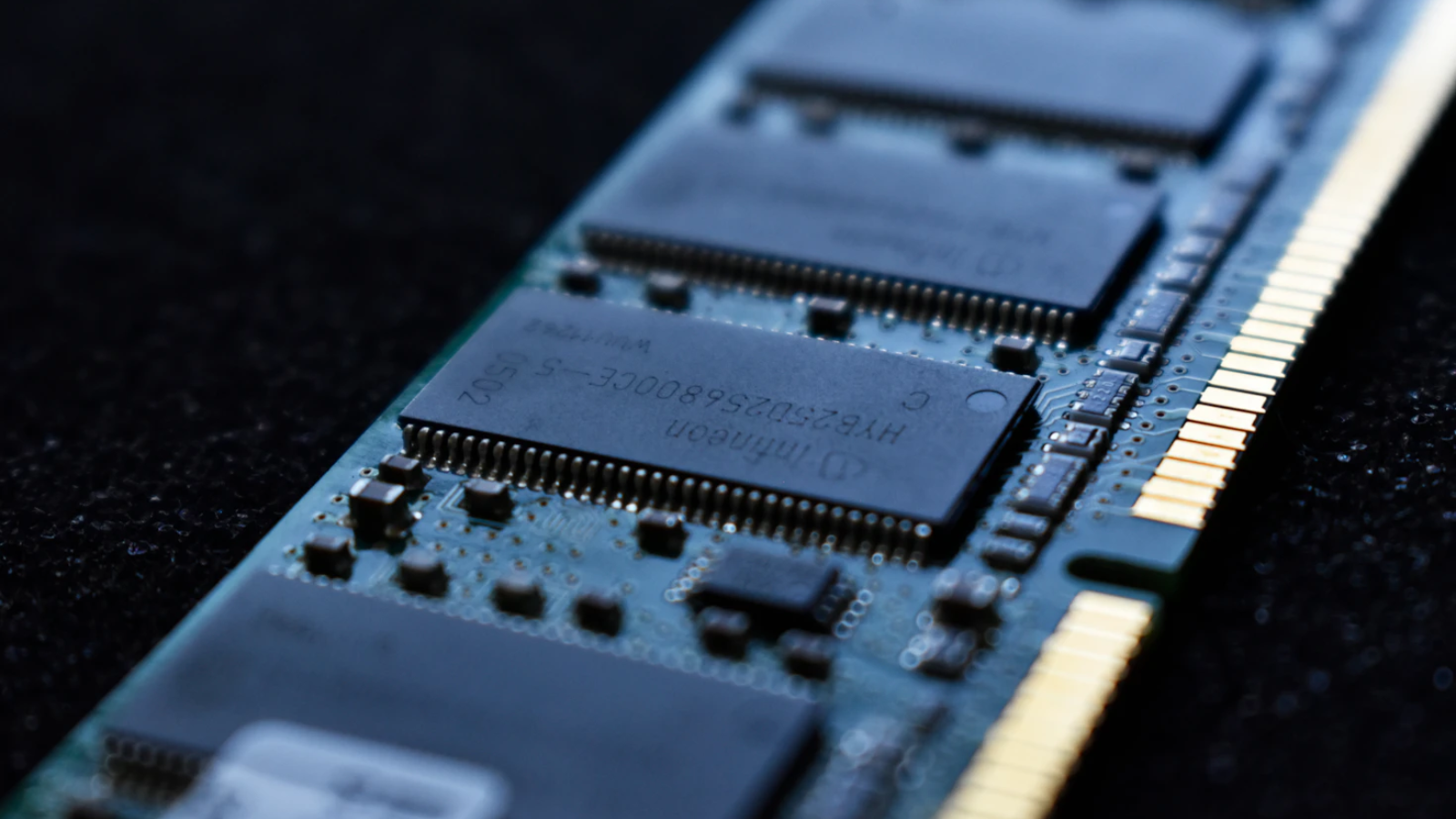
(Image credit: Unsplash / Liam Briese)
We’ve recently seen reports of DDR5 pricing falling across the globe, and markedly in China, where the price of 16GB modules of the cutting-edge RAM has dropped by up to 30% (in terms of sales on e-commerce platforms in the country). Seeing DDR4 also take a tumble is welcome, of course, even if it’s not nearly to the same degree.
What to read next
We can be hopeful for some prices drops for DDR4 at retail, then, although that wouldn’t be a surprise, really, given the wallet-wrenching peaks in pricing that this RAM and DDR5 have reached. As I observed in my previous article about DDR5 prices receding, there’s a point where prices get so high that a growing number of consumers simply refuse to pay them — and when that filters through as a drop in demand, a price correction inevitable ensues.
There are other possible reasons for these falls, too, including theories that OpenAI has hugely scaled back its RAM-eating ambitions, leaving AI demand not quite as intense as it previously seemed. Furthermore, in that same vein we have Google’s TurboQuant. This tech aims to reduce the memory use of AI in a big way — at least in certain respects — although I think it’s a bit of a red herring, and I’ve got a feature ready for publishing explaining why. (Look out for that imminently).
Any relief we’re seeing now is definitely welcome, but don’t make the mistake of believing that we’re near some sort of full-on turning point with RAM pricing. Many analyst firms are betting heavily against that, and with good reasons, plus hardware makers are singing similar tunes. Don’t underestimate the challenges the tech world is facing here.
Given the gravity of these pricing problems, might we expect governments elsewhere around the world to step in like Korea seemingly has? I very much doubt we’ll see grand plans to monitor the fairness of the pricing of PCs or components, which is a seriously thorny area to even consider. However, schemes to provide low-income students or families with help buying a laptop – or repurposing old PCs of the Windows 10 variety – certainly seem like avenues to explore, or expand on, which have plenty of potential.

The best laptops for all budgets
Our top picks, based on real-world testing and comparisons
Follow TechRadar on Google News andadd us as a preferred source to get our expert news, reviews, and opinion in your feeds. Make sure to click the Follow button!
And of course, you can also follow TechRadar on YouTube and TikTok for news, reviews, unboxings in video form, and get regular updates from us on WhatsApp too.